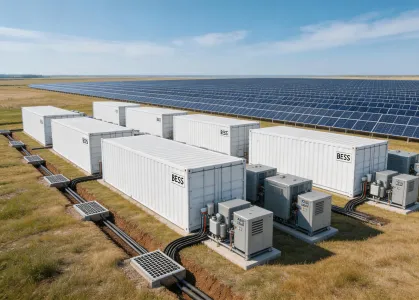
Utility Storage Plants
Containerized BESS projects need clear capacity assumptions, PCS interface checks, thermal safety documentation, and grid compliance evidence.

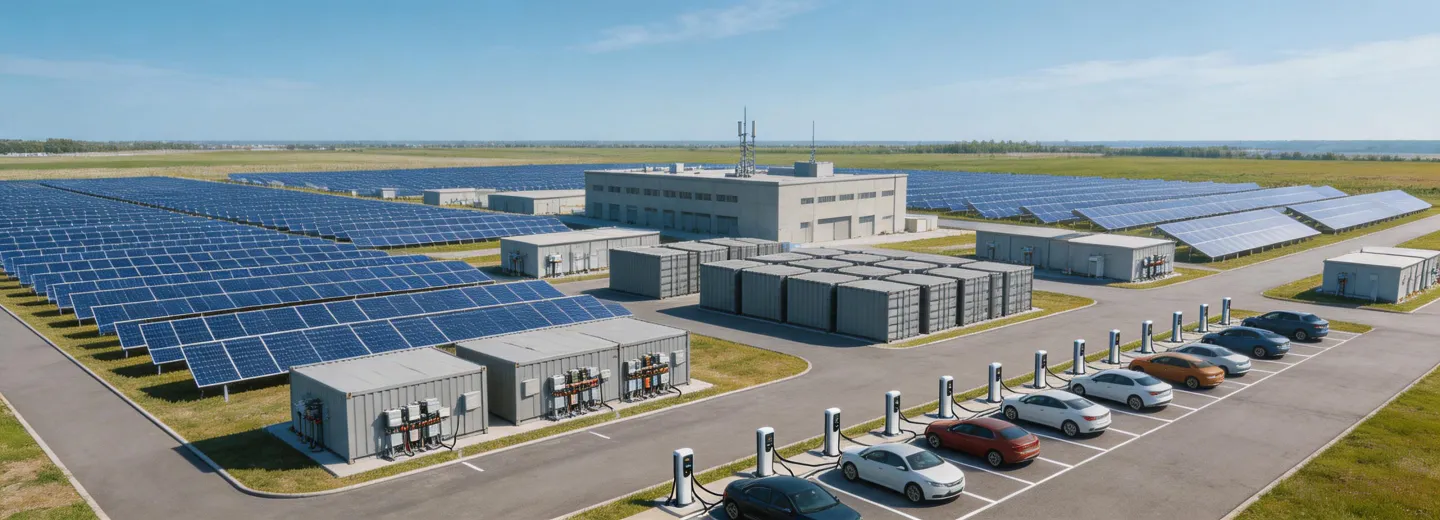
Containerized BESS projects need clear capacity assumptions, PCS interface checks, thermal safety documentation, and grid compliance evidence.
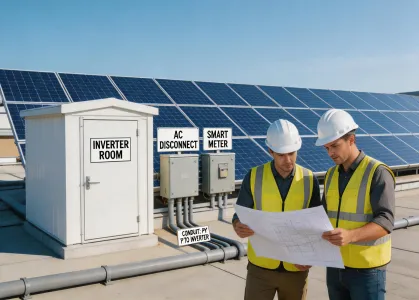
C&I owners benefit from BOS coordination across inverters, disconnect switches, surge protection, metering, and service access.

Charging sites require load management, transformer planning, metering, communications, and expansion-ready protective equipment.
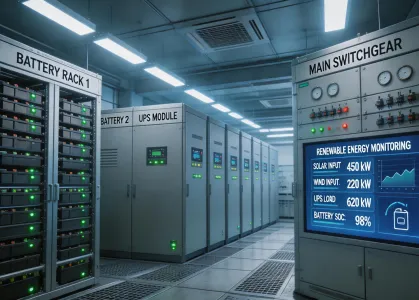
UPS and battery backup decisions are evaluated around runtime, maintenance bypass, replacement equipment, and monitoring access.
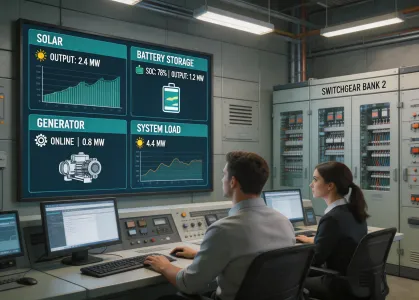
Microgrid projects need documented boundaries among inverters, storage, controls, smart meters, switchgear, and utility interconnection.

Operators need alarm logic, firmware status, spare-part planning, and commissioning evidence that remains usable after handover.
Battery chemistry is the most consequential decision in any energy storage project. We do not recommend a single answer for every customer; the choice depends on safety priorities, available footprint, and total cost over the system life. Both options are presented here so procurement and engineering teams can decide on common evidence.
Thermal runaway onset above 270 C, cycle life typically rated 6,000+ cycles at 90% DoD per IEC 62619 testing, and lower LCOS over a 15-year window. Now the dominant chemistry in residential and utility BESS, with UL 9540A test reports widely available.
Energy density roughly 30-40% higher than LFP, smaller cabinet footprint per kWh, and proven track record in EV applications. Better suited to space-constrained commercial rooftops and projects where weight or volume is the binding constraint.
Schneider Electric can share UL 9540A test summaries, IEC 62619 reports, and round-trip efficiency data on request so the trade-off is decided on numbers, not marketing.
Describe the site and Schneider Electric will help organize the technical questions for review.
Discuss an Application